
Sound design in interactive digital experiences is often overlooked, yet it plays a crucial role in shaping how users perceive, engage with, and remain immersed in a platform. When executed thoughtfully, sound can enhance clarity, communicate feedback, and subtly guide attention without overwhelming the player. Designing audio with a focus on respecting player concentration requires understanding not just what sounds to include, but also when and how to present them. The challenge lies in balancing engagement with the avoidance of unnecessary distractions, ensuring the auditory experience reinforces rather than competes with the gameplay or interface interaction.
A fundamental principle in sound design for focused engagement is the concept of auditory hierarchy. Similar to visual hierarchy in user interfaces, auditory hierarchy involves prioritizing certain sounds over others based on their importance and timing. Critical sounds, such as alerts, confirmations, or subtle cues indicating a successful action, should be prominent enough to be noticed immediately without demanding excessive attention. Conversely, background sounds, ambient audio, and non-essential effects should occupy a lower position in the hierarchy, providing atmosphere without disrupting concentration. Achieving this balance requires careful control over volume, frequency, and spatial placement, allowing essential audio cues to emerge naturally from the soundscape.
Another key aspect is temporal pacing. Just as rapid visual changes can overwhelm users, poorly timed or overlapping sounds can create cognitive clutter. Effective sound design respects the player’s focus by spacing audio events strategically, giving each sound room to be perceived and processed. For instance, a notification sound should not coincide with a critical gameplay moment where the player is performing complex actions. Designers can employ adaptive audio systems that monitor gameplay intensity or user behavior to modulate sound timing, ensuring that auditory cues complement the flow rather than interrupt it.
Consistency in sound cues also reinforces player understanding and reduces cognitive load. When players can predict the association between a sound and its corresponding action or feedback, they can respond more efficiently without diverting attention from the core experience. For example, using a consistent tone or melodic motif for successful actions helps create an intuitive mental mapping, where players immediately recognize outcomes through audio cues alone. Conversely, introducing inconsistent or unexpected sounds can cause confusion or frustration, breaking immersion and undermining focus.
Minimalism in audio selection is equally vital. In an era where games and digital applications often layer dozens of sounds simultaneously, restraint becomes a marker of respect for the player’s attention. Each sound included should serve a clear purpose, whether it is to signal an event, provide emotional texture, or reinforce the narrative context. Superfluous audio elements—like redundant jingles or decorative sounds that do not communicate information—risk contributing to sensory overload. By carefully curating the audio palette, designers can maintain an elegant, purposeful soundscape that supports focus rather than diminishes it.
Dynamic audio adjustment offers another powerful tool for supporting player concentration. Implementing systems that modulate sound intensity or selectively mute non-critical elements based on player input or situational context allows the experience to remain immersive without becoming intrusive. For example, background music might subtly lower during moments requiring high attention or during tutorial sequences, while important cues are emphasized. This dynamic layering ensures that players are guided by sound in a natural, non-intrusive manner, reinforcing engagement without creating distraction.
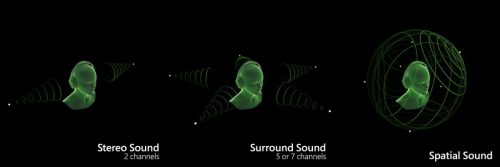
Environmental audio can also play a role in maintaining focus when applied judiciously. Ambient sounds, such as subtle wind, crowd murmur, or distant mechanical noise, can contribute to immersion, but they should not compete with task-relevant cues. Sound designers often employ spatial audio techniques to create depth, allowing background sounds to exist in a perceptual plane separate from primary interaction cues. This separation prevents essential sounds from being masked and allows players to maintain situational awareness without cognitive strain.
Accessibility considerations are a critical component of player-focused sound design. Not all users perceive audio in the same way, and some may rely more heavily on sound for guidance due to visual limitations. Providing clear, distinguishable, and customizable audio cues enhances inclusivity while still respecting focus. Adjustable volume levels, distinct timbres for different types of alerts, and optional haptic feedback can all work in tandem to ensure that all players receive the necessary information without unnecessary interruption or confusion.
Furthermore, iterative testing and user feedback are indispensable in refining sound design. Observing how players respond to audio cues in real-world scenarios can reveal moments where sounds may be too intrusive, overlooked, or misinterpreted. Iterative adjustment based on actual usage patterns helps designers align their sound strategies with real cognitive workflows, ensuring that every auditory element contributes positively to engagement and focus.
Ultimately, sound design that respects player focus is not about eliminating audio but about crafting an experience where every sound has intentionality. It is a careful interplay of hierarchy, timing, consistency, minimalism, adaptability, and accessibility. When done well, players are subtly guided, emotionally engaged, and cognitively supported, experiencing an environment where audio enhances clarity and immersion rather than competing with the mind’s focus. By prioritizing these principles, designers create interactive experiences that feel intuitive, polished, and respectful of the player’s attention, resulting in more satisfying and sustainable engagement.
Sound, when thoughtfully integrated, becomes more than an embellishment—it acts as a cognitive partner that helps players navigate, understand, and enjoy the digital space with confidence and ease. Respecting player focus through sound design is therefore both an art and a science, demanding careful observation, empathy, and technical precision. Through deliberate choices and continuous refinement, sound can elevate experiences, providing guidance, reinforcement, and immersion in ways that visuals alone cannot achieve.





Leave a Reply