In any modern business environment, customer support responsiveness serves as a critical determinant of loyalty and long-term brand engagement. Companies that can consistently respond to customer inquiries, issues, or complaints in a timely manner foster a sense of reliability and trust. The immediacy and quality of response not only alleviate immediate concerns but also signal to customers that their needs are valued, thereby creating an emotional connection that goes beyond transactional interactions. When a customer feels heard and supported promptly, they are more likely to remain loyal, repeat purchases, and even advocate for the brand within their social circles. This creates a reinforcing cycle where responsiveness directly contributes to sustained customer retention and brand strength.
The correlation between responsiveness and loyalty is multifaceted. Rapid responses help reduce frustration and prevent negative experiences from escalating, which is crucial in industries where dissatisfaction can quickly lead to customer churn. Equally important is the perception of empathy and attentiveness. When support teams respond with clarity, patience, and understanding, customers feel respected and valued. This human element transforms routine problem-solving into an opportunity for relationship building. A swift and empathetic response can turn a potentially negative situation into a loyalty-building experience, enhancing the likelihood of continued engagement. Businesses that invest in training their support staff to combine efficiency with emotional intelligence often see higher levels of repeat interactions and long-term customer satisfaction.
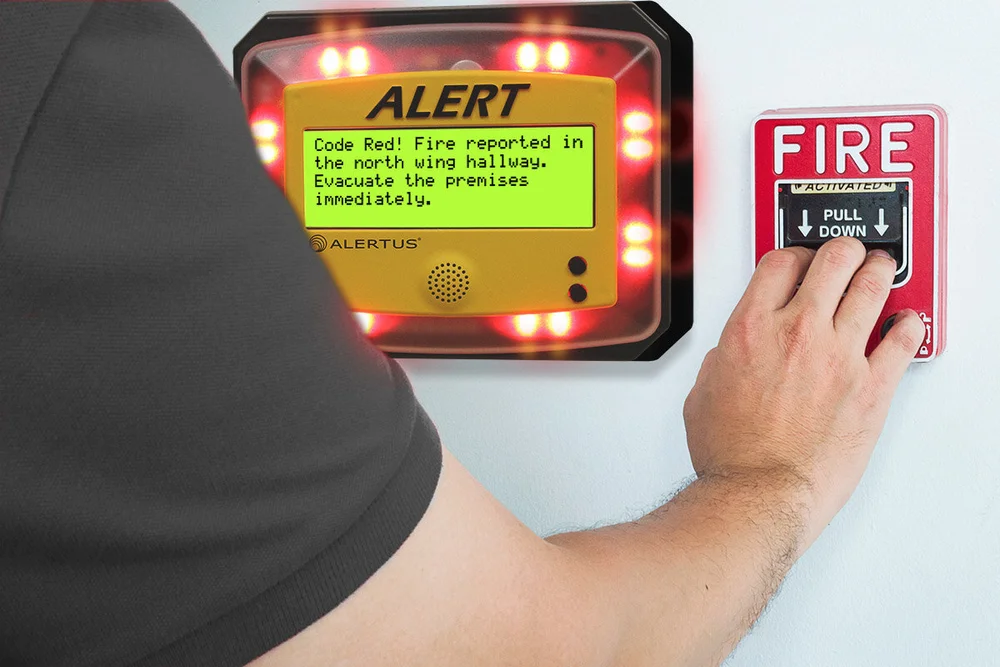
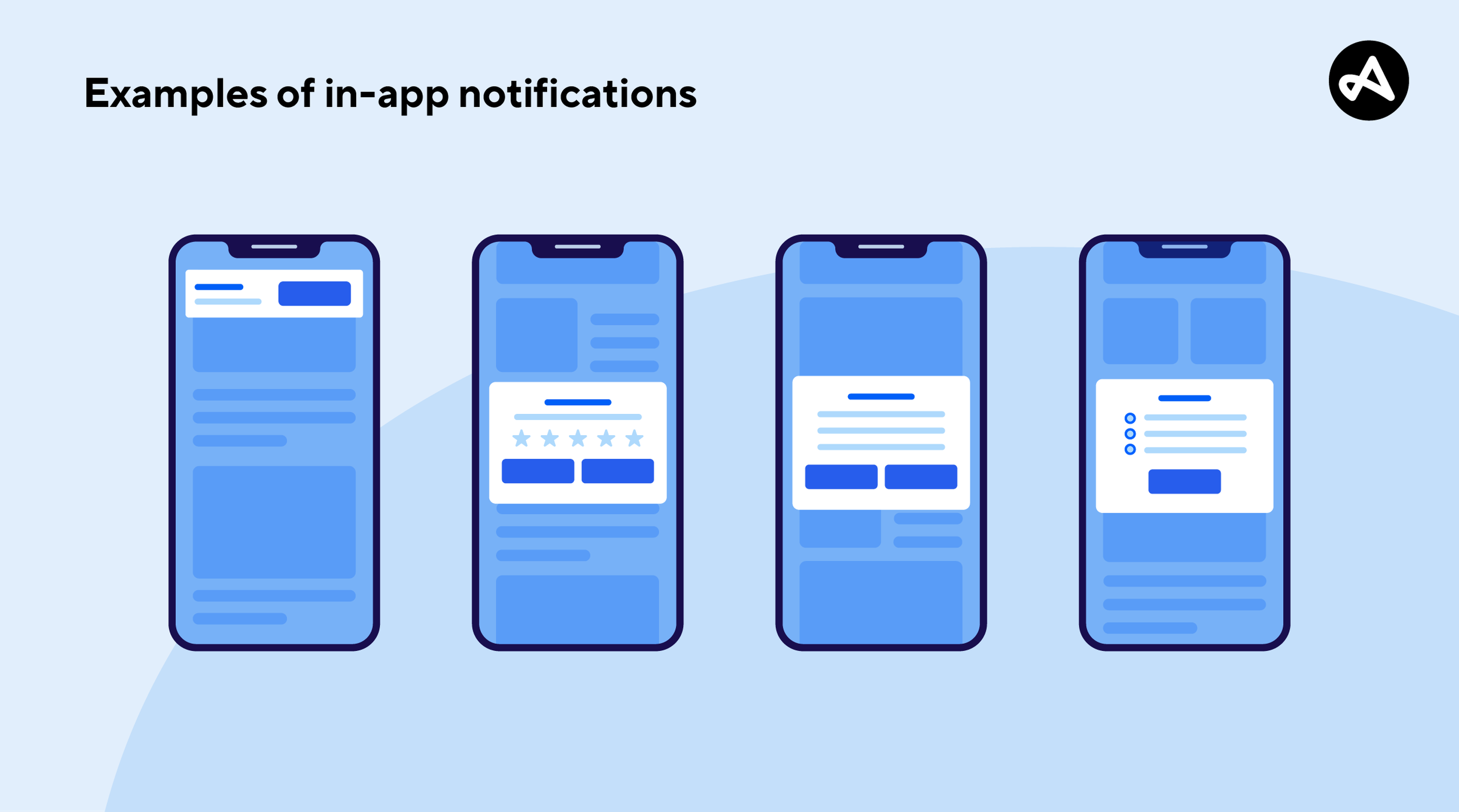
Technological integration plays a substantial role in achieving high responsiveness. Automated systems such as chatbots, AI-driven ticketing, and real-time notifications allow businesses to acknowledge inquiries immediately, even when human agents are not instantly available. This initial engagement sets expectations and reassures customers that their concerns are being addressed. However, automation alone cannot replace the nuanced understanding required in complex situations. The ideal approach blends technology with human intervention: immediate automated acknowledgment followed by personalized, thoughtful follow-up ensures that customers feel both recognized and genuinely cared for. Companies that manage this balance effectively often cultivate a loyal customer base that perceives the brand as competent, accessible, and reliable.
Moreover, responsiveness contributes to customer loyalty by shaping perceptions of brand competence and operational reliability. Customers often equate timely support with organizational efficiency and professionalism. When businesses consistently meet or exceed response expectations, they signal a well-structured, attentive operational system. This perception fosters confidence that the company will handle future transactions or issues competently. Over time, consistent responsiveness becomes a benchmark against which customers measure all interactions with the brand. Companies that maintain high standards in response times and quality create an ecosystem where loyalty is almost a natural outcome of sustained positive experiences.
Feedback loops are another critical component in leveraging responsiveness for loyalty. Customer interactions provide valuable insights into pain points, expectations, and service gaps. When businesses act on this feedback and communicate improvements transparently, they reinforce the perception of attentiveness and commitment to customer satisfaction. Customers recognize that their input matters, which strengthens emotional attachment and brand loyalty. Proactive updates, follow-ups, and acknowledgment of customer suggestions demonstrate that responsiveness is not merely reactive but part of a broader strategy of engagement and improvement. This cycle of listening, responding, and improving creates a relationship in which customers feel invested and valued.
The psychological impact of prompt support also cannot be understated. Human cognition tends to link speed of response with care and importance. Delays in support can trigger frustration, doubt, and decreased trust, whereas prompt action signals attentiveness and respect. This immediate reinforcement creates positive emotional associations with the brand. In competitive markets, where alternatives are readily available, such associations often become a deciding factor in customer retention. Consumers are willing to remain loyal to a brand that consistently demonstrates that their time, concerns, and satisfaction are prioritized, even if competitors offer comparable products or pricing.
Consistency in responsiveness is equally important. Sporadic promptness or uneven quality of support can erode trust and diminish loyalty gains. Establishing standardized response protocols, measuring performance, and continuously optimizing support channels ensure that customers experience reliable and predictable engagement. Consistent responsiveness also extends to multi-channel support environments, including email, chat, social media, and phone. Customers expect seamless experiences across platforms, and companies that can deliver cohesive, timely responses regardless of the medium build stronger loyalty foundations. Fragmented or delayed support across channels can undermine trust, highlighting the importance of integrated systems and trained personnel capable of maintaining service standards universally.
Additionally, responsiveness contributes to the creation of brand advocates. Satisfied customers who experience quick and effective support are more likely to share their positive experiences with peers, amplifying the impact of responsive service on loyalty. Word-of-mouth referrals, online reviews, and social endorsements are powerful mechanisms through which responsiveness translates into broader brand loyalty and market influence. Each positive interaction reinforces not only the customer’s relationship with the company but also enhances the brand’s reputation in wider communities, creating a ripple effect that strengthens overall loyalty and trust.
In conclusion, customer support responsiveness is a pivotal driver of loyalty, influencing perceptions of competence, reliability, and empathy. Through timely, consistent, and thoughtful engagement, companies can transform routine support interactions into powerful loyalty-building experiences. By integrating technology with human intelligence, establishing robust feedback mechanisms, and maintaining cross-channel consistency, businesses cultivate lasting relationships that encourage repeat engagement, advocacy, and sustained trust. The strategic emphasis on responsiveness ultimately positions the brand as not only a provider of products or services but as a partner committed to the customer’s experience and satisfaction, solidifying long-term loyalty in competitive markets.