
In the realm of modern casinos, the experience of navigation goes far beyond the mere act of moving from one area to another. It is an intricate interplay of design, perception, and behavioral cues that collectively craft an environment where visitors feel both guided and empowered. Casinos, whether online or physical, invest heavily in creating navigation systems that feel intuitive, aiming to reduce cognitive load and enhance player comfort. This design philosophy acknowledges that the ease with which individuals can locate games, services, or amenities directly impacts their satisfaction and the likelihood of prolonged engagement.
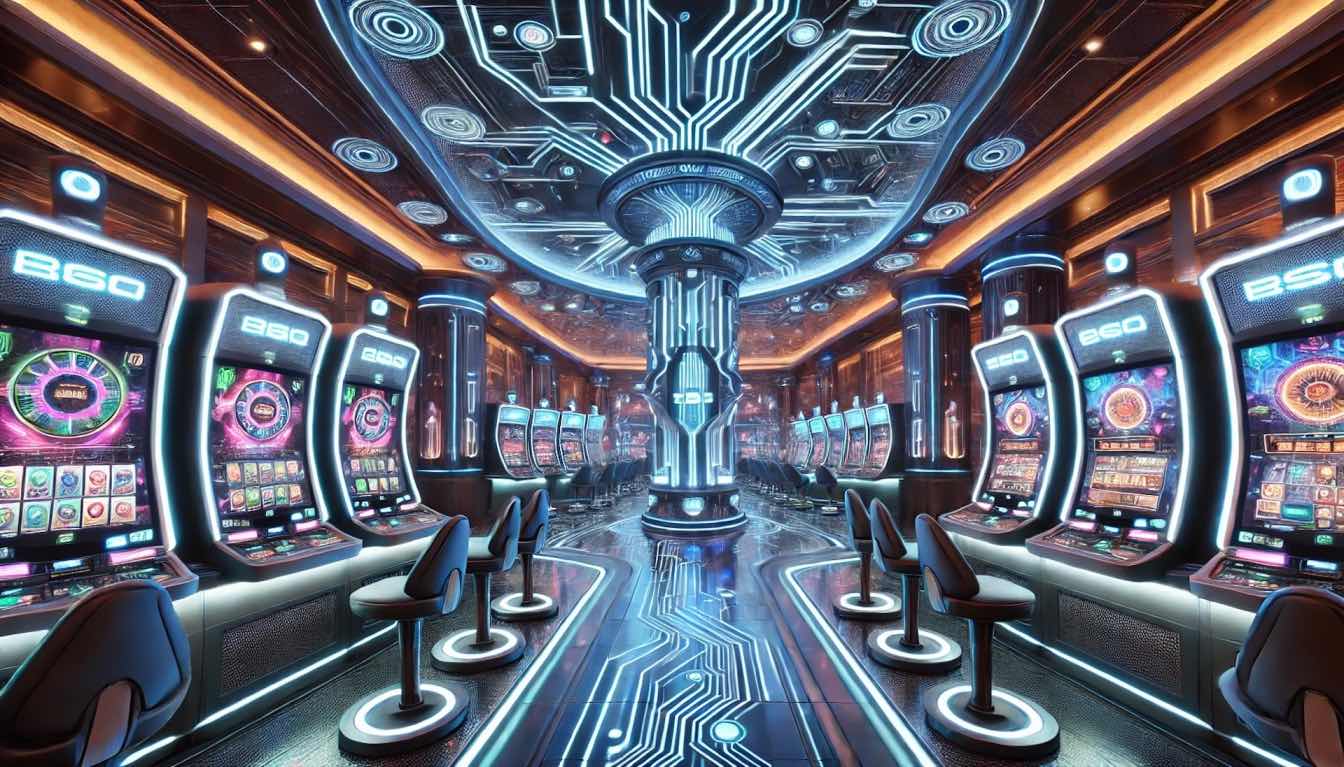
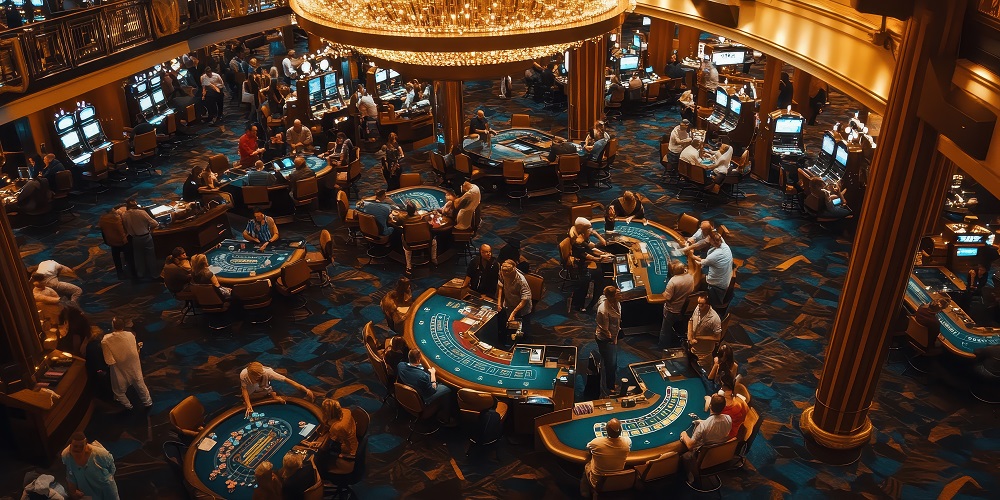
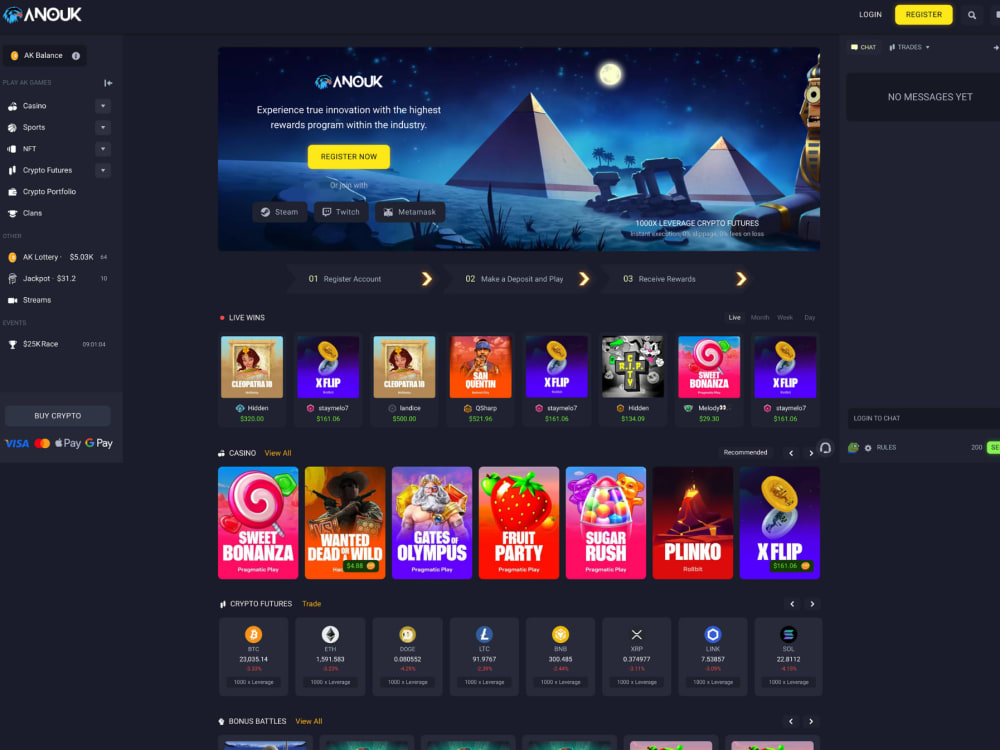
One fundamental aspect of intuitive navigation lies in spatial consistency. Patrons unconsciously seek patterns and familiar reference points as they move through a space. In physical casinos, this might manifest as thematic zones, where clusters of similar games are grouped together—slot machines in one area, table games in another. The use of distinct flooring, lighting, and decor reinforces these spatial divisions, allowing players to orient themselves without conscious effort. Online casinos replicate this principle through visual hierarchies and layout consistency, ensuring that menus, buttons, and interactive elements remain predictable across pages. When users encounter a familiar structure, their cognitive load diminishes, and exploration becomes more fluid, reinforcing a sense of control and comfort.
Wayfinding cues also play a pivotal role. In physical settings, signage must strike a balance between visibility and subtlety. Overly intrusive signs can disrupt the immersive atmosphere, while insufficient guidance may lead to frustration and disengagement. Casinos employ a combination of overhead indicators, floor markers, and thematic lighting to create natural pathways. Strategic placement of staff at key junctions further supplements these cues, providing human touchpoints for assistance. Online platforms adopt analogous strategies: tooltips, hover effects, and breadcrumbs guide users through complex interfaces, creating a seamless experience that mirrors the effortless flow found in physical spaces. The principle is simple—navigation should feel almost invisible, supporting action without drawing attention to itself.
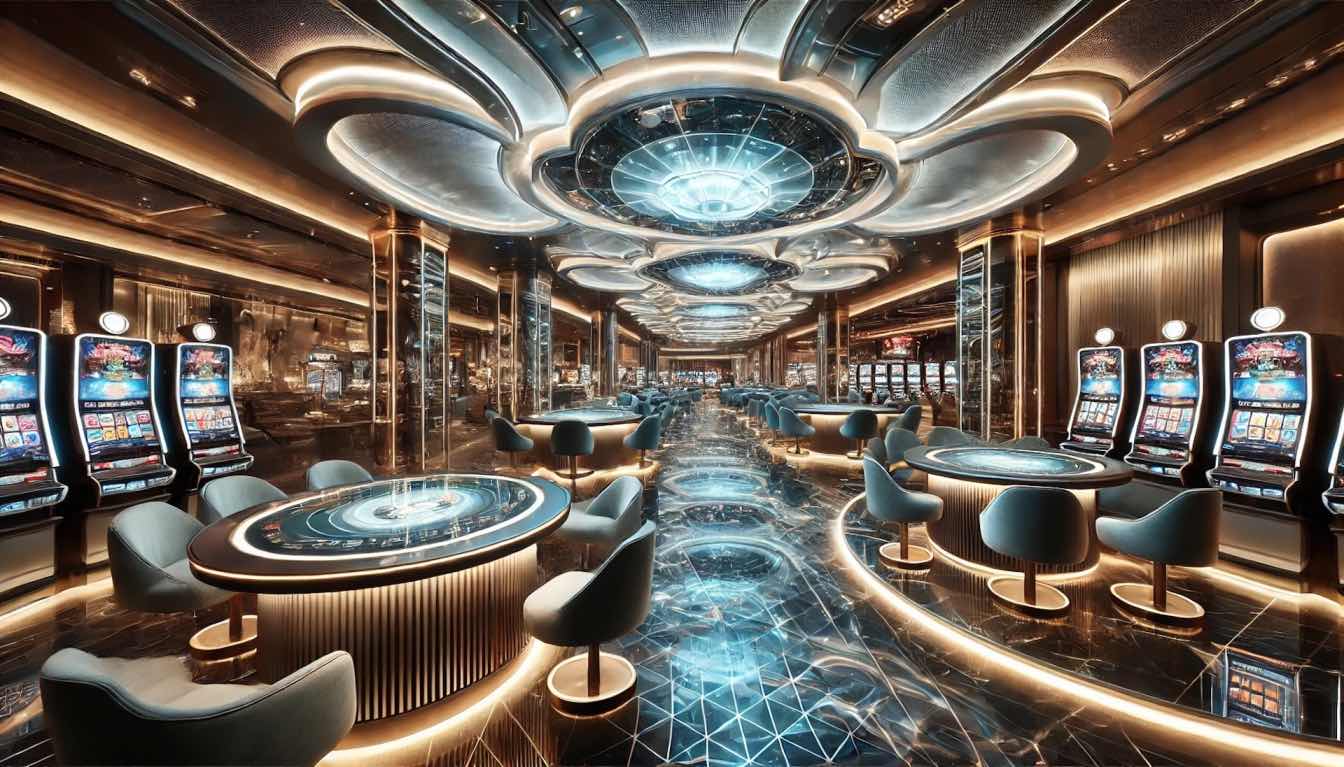
Color theory and contrast are subtly but powerfully leveraged in designing intuitive navigation. Casinos often utilize distinct color palettes to demarcate different zones or functionalities. Warm, inviting tones might signal high-traffic gaming areas, whereas cooler shades could indicate rest zones or lounges. Online, color coding reinforces interaction pathways, highlighting call-to-action buttons or emphasizing new content. By tapping into the psychological impact of color, designers create an environment where choices are suggested rather than dictated, and where users instinctively understand where to focus their attention.
Sound and sensory cues further enhance navigation intuitiveness. In physical casinos, ambient audio guides movement—soft music may subtly encourage flow toward central gaming areas, while specific sound effects denote interactive elements or promotional activities. Olfactory cues, though less common in digital spaces, are also strategically used to create associations and reinforce wayfinding. Online, haptic feedback and auditory signals offer similar guidance, subtly confirming actions or signaling transitions between sections. These multi-sensory strategies engage users on multiple levels, reducing reliance on conscious navigation and making the experience feel more instinctive.
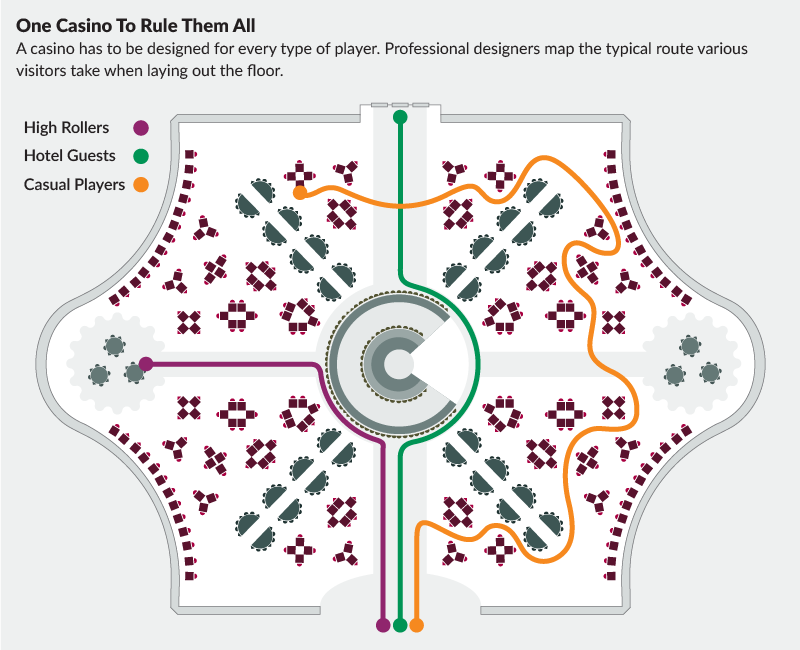
The psychology of human behavior is deeply embedded in intuitive casino navigation. Designers leverage natural tendencies, such as the preference for exploratory paths that offer immediate rewards. Layouts often employ “branching” pathways, presenting a visible progression of options that encourage engagement without overwhelming choice. Online, this translates into progressive disclosure of features, where information and gameplay elements are revealed incrementally, maintaining interest and reducing decision fatigue. Both approaches respect cognitive limitations while aligning with intrinsic motivations, ensuring that navigation aligns seamlessly with user expectations.
Feedback loops are another critical element. Users require confirmation that their choices lead to desired outcomes. In physical casinos, this might involve visual cues like flashing lights or screens that highlight a selected game or service, providing immediate affirmation. Online, interactive animations and state changes communicate the success of user actions. These feedback mechanisms are designed to be both informative and satisfying, reinforcing user confidence and encouraging continued exploration. The absence of clear feedback can cause disorientation and frustration, undermining the perception of intuitive design.
Flexibility and adaptability further define effective navigation. Not all users approach a casino experience in the same way. Some seek efficiency, heading directly to preferred games, while others enjoy leisurely exploration. Intuitive systems accommodate these variations by offering multiple navigation modalities. Physical casinos provide both linear pathways and open-plan layouts that allow free movement. Online platforms feature search functions, personalized dashboards, and recommendation engines that adapt to user behavior. By providing options without overwhelming, casinos cater to diverse preferences, enhancing the perception of ease and mastery.
Finally, intuitive navigation is strengthened by an underlying consistency in rules and interactions. When mechanisms behave predictably—whether it’s a door that swings in the expected direction or a menu that expands in a familiar pattern—users internalize these conventions, reducing the cognitive effort required for subsequent interactions. This consistency builds trust and reliability, critical in environments where both comfort and confidence directly influence engagement.
The cumulative effect of these strategies is a casino environment—physical or digital—where movement and choice feel natural. Users are guided subtly, empowered to explore, and supported in their decisions without overt instruction. By attending to spatial design, sensory cues, behavioral psychology, and consistent feedback, casinos craft navigation systems that transcend mere functionality. They create an experience that feels effortless, reinforcing immersion and satisfaction. In such an environment, intuitive navigation is not just a feature; it becomes a core component of the casino’s identity, shaping user behavior, enhancing engagement, and fostering long-term loyalty.
Through careful orchestration of environment, interface, and human psychology, navigation systems in casinos achieve a delicate balance: they guide without constraining, inform without overwhelming, and structure without restricting. The ultimate goal is to make the journey through the casino as compelling as the games themselves, ensuring that users feel competent, confident, and continuously drawn into the experience. Intuitive navigation, in this sense, is both a practical tool and a subtle art, a testament to the sophistication behind seemingly simple movement within complex entertainment spaces.






Leave a Reply