
In the modern landscape of online gambling and slot games, customization has become a defining feature that caters to advanced players who seek more than just passive engagement. These players are often experienced, familiar with game mechanics, and desire a level of control that allows them to shape their experience according to personal preferences. Customization layers provide the necessary flexibility to accommodate these needs, offering a spectrum of options ranging from interface adjustments to gameplay mechanics that can dramatically alter the interaction with the game.
At the core of customization layers is the principle of agency. Advanced players derive satisfaction from the ability to influence outcomes in ways that do not violate the inherent fairness of the system. For example, adjustable betting parameters, such as variable bet sizes, multi-line activation, and risk management settings, empower players to strategize in real-time. This type of control reinforces engagement by transforming gameplay from a purely chance-based experience into one that also involves decision-making, foresight, and personal strategy. Players are encouraged to explore different combinations and identify approaches that maximize both enjoyment and potential reward.
Interface customization is another critical layer that enhances the experience for advanced players. Options to alter the visual and auditory elements of the game, including themes, sound effects, and display layouts, allow users to create a familiar and comfortable environment. These settings not only increase immersion but also reduce cognitive load, enabling players to focus on strategic considerations rather than being distracted by default configurations. Advanced players often value efficiency, and the ability to organize and streamline interface components according to personal preferences contributes to a sense of mastery and control.
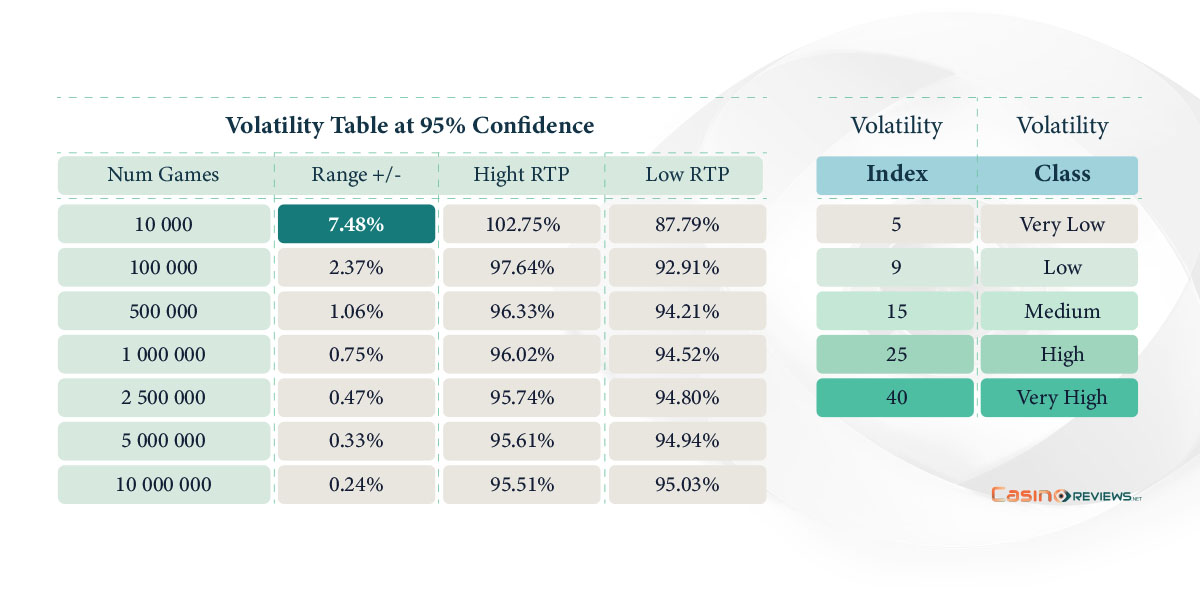
Mechanics customization extends the depth of engagement by allowing players to influence specific game behaviors. For example, some slot platforms offer adjustable volatility settings or variable spin speeds. Volatility adjustments enable players to select a balance between frequent smaller wins and less frequent but larger payouts, catering to different risk appetites and play styles. Variable spin speeds allow for faster progression through routine spins or slower, more deliberate engagement for high-stakes decisions. These options transform the experience from a uniform sequence of spins into a dynamic system where each play session can feel unique and tailored.
Beyond mechanics and interface, advanced customization often includes algorithmic transparency and optional data tracking. Players who are keen on optimizing their performance appreciate access to metrics such as historical spin results, payout probabilities, and win/loss ratios. By incorporating analytics layers into the game interface, platforms allow sophisticated users to make informed decisions based on patterns and trends rather than relying solely on chance perception. This not only appeals to a player’s analytical mindset but also reinforces trust in the fairness and integrity of the system, as the platform demonstrates openness in its operational parameters.
Reward structures are another domain where customization layers enhance the experience. Advanced players often prefer flexibility in how bonuses, multipliers, and jackpots are applied or accessed. Adjustable bonus triggers, tailored reward frequencies, and personalized challenge modes allow players to pursue outcomes aligned with their strategic objectives. Customization in this area transforms routine gameplay into a goal-oriented system where players can align their risk preferences with desired reward structures. This approach fosters long-term engagement, as players feel their efforts are more closely tied to meaningful outcomes rather than arbitrary reward schedules.
Social and community-driven customization also plays a significant role for advanced users. Many platforms provide options for integrating social metrics, peer comparisons, or private leaderboards. Players can tailor their visibility, participation, and interaction levels with other users, creating a customized social layer that complements individual strategy. By selectively engaging with competitive or collaborative aspects of the game, players gain a richer, more layered experience that balances solitary strategy with social recognition.
Accessibility customization is an often-overlooked layer that still holds relevance for advanced players. Adjustable text sizes, contrast settings, and input methods ensure that prolonged engagement does not lead to fatigue or discomfort. By offering these options, platforms extend the usability of the game for intensive sessions and reduce physical and cognitive strain. Advanced players are more likely to engage deeply when their environment is ergonomically aligned with their needs, allowing concentration on strategic aspects rather than coping with interface limitations.
A key advantage of providing robust customization layers is the retention of advanced players. By catering to personal preferences, platforms signal respect for player intelligence and autonomy. Players who feel empowered to shape their experience are more likely to remain loyal and invest time and resources in a platform that acknowledges their expertise. This loyalty is reinforced through continual opportunities for exploration and refinement, as customization options can be layered, unlocked, or evolved over time, keeping the gameplay experience dynamic and engaging.
Furthermore, customization layers create opportunities for platforms to differentiate themselves in a crowded market. Advanced players often serve as influential voices within broader communities, recommending platforms that offer depth, flexibility, and meaningful control. By emphasizing sophisticated customization, developers position their products as premium experiences, attracting a segment of the audience that values mastery, strategic engagement, and personalization over generic gameplay.
Integration of AI-driven personalization represents the next frontier for customization layers. By analyzing player behavior, platforms can suggest tailored adjustments to interface, mechanics, and reward systems that align with individual play styles. For instance, adaptive volatility settings, predictive spin recommendations, or dynamic bonus allocations can create a continuously optimized environment that responds to evolving player preferences. This approach enhances engagement, fosters loyalty, and amplifies satisfaction by delivering an experience that feels both personalized and intelligent.
Ultimately, customization layers for advanced players represent a convergence of choice, control, and strategic engagement. By providing options across interface, mechanics, rewards, social interactions, accessibility, and AI-driven personalization, platforms enable players to craft experiences that resonate with their individual skills and preferences. The result is a sophisticated ecosystem where mastery is both possible and rewarding, fostering a sense of accomplishment and reinforcing long-term engagement. Advanced players are not merely participants; they are co-creators of their experience, and customization layers are the tools that make this co-creation both feasible and compelling.
This focus on empowering players with meaningful choices aligns gameplay with both psychological satisfaction and operational retention, demonstrating that customization is more than an aesthetic feature—it is a fundamental strategy for sustaining engagement, fostering loyalty, and elevating the player experience to an advanced, nuanced level.

Leave a Reply