
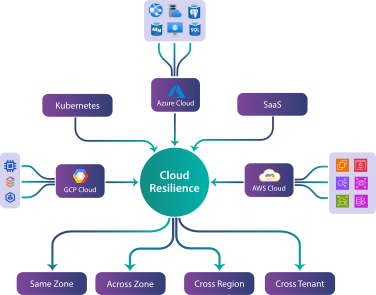
Infrastructure resilience in online gambling is a critical aspect of modern digital entertainment, ensuring that platforms remain operational, secure, and reliable under varying conditions. In the fast-paced environment of online gaming, system stability is not merely a technical concern but a central factor in user trust, retention, and overall satisfaction. Online gambling platforms face unique challenges because they must accommodate high volumes of concurrent users, maintain transactional integrity, and guarantee fairness while mitigating risks associated with hardware failures, network disruptions, and cyber threats. The architecture of these systems must therefore be designed with redundancy, scalability, and fault tolerance as foundational principles.
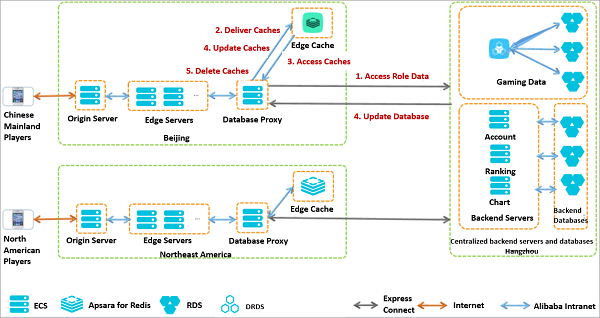
At the core of infrastructure resilience is redundancy, which allows systems to continue functioning even if individual components fail. In online gambling, this typically involves deploying multiple servers, data centers, and network paths so that if one node experiences an outage, traffic can be automatically rerouted without disrupting gameplay or financial transactions. Load balancing technologies ensure that no single server becomes a bottleneck, distributing user requests evenly across available resources. This not only improves performance during peak usage periods but also provides a safety net against sudden spikes in demand, which are common during high-stakes events or popular promotions.
Scalability is another essential element, enabling platforms to grow or contract resources in response to fluctuating demand. Modern online gambling platforms often leverage cloud infrastructure, which allows them to dynamically allocate computing power, storage, and bandwidth. This flexibility is vital for maintaining a seamless user experience, as it prevents delays in game rendering, transaction processing, and real-time updates. Without scalable systems, platforms risk user frustration, which can lead to reduced engagement and potential financial losses. Scalability also contributes to resilience by allowing systems to recover more quickly from stress events, since additional resources can be provisioned to absorb the impact.
Fault tolerance and disaster recovery mechanisms are closely tied to resilience, providing structured approaches for responding to unexpected failures. Data replication strategies, such as maintaining mirrored databases across geographically dispersed data centers, ensure that critical information—like user balances, betting histories, and game states—is never lost. Backup and restore procedures, along with automated failover protocols, allow systems to resume normal operation within minutes of an outage. In high-reliability industries like online gambling, even brief downtime can erode user confidence and damage reputations, making these safeguards indispensable.
Security considerations intersect strongly with infrastructure resilience. Online gambling platforms handle sensitive financial and personal data, which must be protected from breaches and fraud. Cybersecurity measures such as firewalls, intrusion detection systems, and encryption help prevent unauthorized access and mitigate the impact of attacks. Resilient infrastructure is designed to absorb and respond to cyber incidents without affecting core operations. This includes isolating compromised segments, rerouting traffic, and ensuring continuous monitoring. By integrating security into the resilience framework, platforms safeguard both user trust and regulatory compliance.
Monitoring and predictive analytics play a crucial role in maintaining infrastructure resilience. Continuous observation of system performance, network latency, and server health enables early detection of anomalies that could indicate potential failures. Predictive analytics, leveraging machine learning algorithms, can forecast capacity needs, anticipate hardware degradation, and identify patterns of abuse or fraud. This proactive approach allows operators to implement corrective measures before issues escalate into service disruptions, ensuring a smooth and uninterrupted gaming experience.
The human element also contributes significantly to infrastructure resilience. Skilled operations teams must be capable of responding swiftly to incidents, coordinating recovery efforts, and communicating transparently with stakeholders. This includes well-defined incident response plans, routine testing of disaster recovery procedures, and clear escalation protocols. Training personnel to handle both technical and operational challenges ensures that resilience is not solely dependent on automated systems but is reinforced by effective human oversight.
Regulatory and compliance requirements further influence the design of resilient online gambling infrastructures. Many jurisdictions mandate strict standards for uptime, data integrity, and transaction security. Meeting these obligations requires robust documentation, auditing processes, and independent verification of system capabilities. Platforms that demonstrate adherence to regulatory frameworks gain a competitive advantage, as they provide users with assurance that the service is reliable, fair, and accountable.
Resilience also encompasses the ability to maintain service continuity during broader environmental or societal disruptions. Natural disasters, regional power outages, or widespread network failures can impact the accessibility of online gambling platforms. By designing geographically distributed systems, utilizing uninterruptible power supplies, and incorporating diverse network providers, platforms mitigate these risks. This ensures that even in the face of external shocks, users can continue to engage with games, place bets, and access funds without interruption.
A resilient infrastructure in online gambling fosters long-term business sustainability. Users are more likely to trust and remain loyal to platforms that operate consistently, respond effectively to issues, and protect their data. High availability supports revenue continuity, while strong security measures reduce the likelihood of financial loss and reputational damage. Platforms that invest in resilience also position themselves to adapt to evolving technologies, regulatory landscapes, and market expectations, ensuring that they remain competitive in a rapidly changing industry.
Ultimately, infrastructure resilience in online gambling is a multidimensional challenge that combines technical robustness, operational excellence, and strategic foresight. It demands meticulous planning, investment in advanced technologies, and ongoing monitoring to anticipate and address potential disruptions. By prioritizing redundancy, scalability, fault tolerance, security, and human preparedness, operators create platforms capable of delivering uninterrupted, secure, and reliable experiences to users. In an environment where trust, fairness, and responsiveness are paramount, resilient infrastructure is not just a technical requirement—it is the foundation of user confidence and long-term success.







Leave a Reply