
In the modern landscape of digital betting, the way odds are presented plays a pivotal role in shaping user engagement, decision-making, and overall trust in the platform. For operators like Sbobet, odds readability is not just a matter of aesthetic design; it directly impacts user experience, perceived fairness, and betting efficiency. Understanding how to design for clarity and accessibility in odds presentation requires a deep dive into both human cognitive processing and interface design principles.
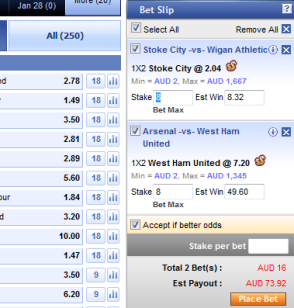
One of the core aspects of odds readability is the use of consistent formatting. Betting odds can be displayed in multiple formats such as decimal, fractional, or American (moneyline), each with its own conventions and cognitive load for interpretation. Users who frequently switch between formats or who are new to betting can experience confusion if the presentation is inconsistent. A well-designed interface ensures that all odds are displayed in a consistent format, reducing the likelihood of misinterpretation and enhancing decision speed. This consistency also fosters a sense of reliability, as users feel confident that the platform adheres to predictable standards.
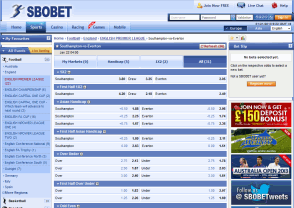
Color coding and typographic hierarchy are powerful tools for improving odds readability. For instance, differentiating between various types of bets—such as single bets, accumulators, or handicaps—through subtle color variations can help users quickly scan and locate the information they need. Similarly, using a clear typographic hierarchy, with larger, bolder fonts for primary odds and smaller fonts for secondary information like event timing or market type, guides the eye naturally across the interface. These visual cues reduce cognitive strain, allowing users to process complex information quickly and accurately.
Interactive design elements further enhance readability by providing contextual support without overwhelming the interface. Tooltips, hover states, and expandable sections can offer detailed explanations of specific odds calculations or betting types, giving users access to deeper information on demand. This approach balances simplicity with informativeness, ensuring that novice users are not alienated while experienced bettors still have access to detailed analytics. Moreover, interactive elements create a dynamic and engaging experience, reinforcing the platform’s commitment to user-centric design.
Responsiveness and adaptability are critical considerations for multi-device platforms. Users may access Sbobet displays from desktops, tablets, or smartphones, each with different screen resolutions and aspect ratios. An odds display that is optimized for one device but becomes cluttered or truncated on another can frustrate users and lead to errors in betting decisions. Responsive design techniques, including flexible grids, scalable typography, and touch-friendly elements, ensure that the clarity of odds information is preserved across devices. This adaptability not only improves usability but also signals the platform’s attention to detail and professionalism.
Accessibility is another essential dimension of odds readability. Designers must consider users with varying visual abilities, including color blindness or low vision. Implementing high-contrast color schemes, clear font choices, and support for screen readers ensures that all users can access and interpret odds information effectively. Accessibility features contribute to inclusivity and can enhance the platform’s reputation as fair and user-conscious, encouraging sustained engagement from a broader audience.
Cognitive load theory offers valuable insights into how users process odds information. Complex layouts, excessive numerical data, or poorly organized markets can overwhelm users, leading to slower decision-making and increased chances of mistakes. By structuring odds displays in a logical, digestible manner—grouping related markets together, highlighting key bets, and minimizing unnecessary clutter—designers can reduce cognitive load. This strategic organization enables users to make informed decisions quickly, enhancing both satisfaction and retention.
Behavioral cues, such as the use of micro-animations and feedback signals, can further reinforce odds comprehension. Subtle animations that highlight changes in odds or confirm user selections draw attention without being distracting, providing real-time feedback that supports confidence in decision-making. Additionally, signaling mechanisms that indicate volatility, such as color shifts or icons for rapidly changing odds, help users respond proactively to market dynamics. These features combine visual clarity with behavioral guidance, bridging the gap between perception and action.
User testing and iterative refinement are crucial in optimizing odds readability. By observing how real users interact with odds displays, designers can identify pain points, common misinterpretations, and areas of friction. Quantitative metrics, such as response time to select a bet, and qualitative feedback, such as perceived clarity and confidence, inform iterative improvements. This data-driven approach ensures that design decisions are not merely aesthetic but grounded in measurable user experience outcomes, leading to continuous enhancements in clarity, usability, and engagement.
Trust perception is intrinsically linked to the readability of odds. Users are more likely to engage with a platform when they feel that the information is transparent, accurate, and easily interpretable. Ambiguous presentations, hidden details, or inconsistent formatting can erode confidence and discourage repeated interaction. By prioritizing clarity, logical structuring, and accessible design, Sbobet can reinforce user trust, which is a critical factor in long-term retention and platform loyalty.
In conclusion, odds readability design is a multifaceted challenge that extends beyond simple visual aesthetics. It involves a deliberate combination of consistency, typographic hierarchy, color coding, interactive support, responsiveness, accessibility, cognitive load management, behavioral cues, and data-driven refinement. Each element contributes to a holistic user experience that is not only intuitive but also empowering, enabling users to engage confidently with betting markets. For platforms like Sbobet, investing in meticulous odds readability design is not merely a usability concern but a strategic imperative, as it directly influences user satisfaction, trust, and long-term engagement in a highly competitive digital betting ecosystem.





Leave a Reply