
In the evolving landscape of digital betting, educational layers have become a cornerstone for creating smarter, more responsible users. The concept extends beyond mere tutorials or how-to guides; it encompasses a holistic approach to embedding knowledge, insights, and decision-making tools directly into the user experience. By integrating educational content seamlessly with gameplay or betting activities, platforms can foster informed choices, enhance engagement, and ultimately cultivate trust. This approach acknowledges that users are not passive participants but active decision-makers whose understanding of odds, risk, and strategy significantly impacts their overall satisfaction and retention.
Educational layers often start with foundational knowledge. Basic modules can explain core concepts such as odds calculation, probability, bankroll management, and the differences between various bet types. These elements provide users with a clear framework, helping them navigate a complex betting ecosystem without feeling overwhelmed. By establishing a baseline understanding, platforms reduce the risk of impulsive or uninformed decisions, which is crucial both for responsible gambling and for sustaining long-term engagement. Importantly, these educational modules are most effective when contextualized. Instead of generic lessons, they leverage real-time examples drawn from current games, events, or user activity. This contextualization makes learning immediate, practical, and applicable, increasing the likelihood that users will internalize the information and apply it in future scenarios.
Beyond foundational knowledge, advanced educational layers target strategic thinking. Platforms can offer dynamic simulations, scenario-based tutorials, or predictive modeling tools that illustrate potential outcomes based on user choices. For instance, a user might explore different betting strategies on historical data to see how variations in risk allocation could influence results. This type of interactive learning transforms abstract concepts like variance or expected value into tangible experiences. It also empowers users to experiment safely, cultivating a deeper understanding of the mechanisms driving wins and losses. When users witness the interplay between strategy and outcome, they gain a sense of control, which can improve confidence and encourage more thoughtful engagement with the platform.
Educational layers are also powerful when they facilitate self-assessment. Built-in tools that allow users to track their betting patterns, measure success rates, or evaluate decision-making consistency provide actionable feedback. For instance, dashboards that highlight trends such as overexposure to high-risk bets or the impact of certain strategies on overall returns enable users to reflect critically on their approach. By promoting self-awareness, these tools help users identify areas for improvement and reinforce positive behaviors. Moreover, transparent feedback fosters trust, as users feel the platform is not only a venue for entertainment but also a partner in developing their skills and knowledge.
Another critical aspect is the integration of responsible gambling education. This layer reinforces awareness of limits, risk exposure, and the psychological factors influencing betting behavior. Platforms can embed reminders, behavioral nudges, and interactive modules that highlight safe practices, such as setting deposit limits or recognizing patterns of impulsive betting. By intertwining this content with practical betting experiences, users learn to balance engagement with responsibility. This approach not only mitigates potential harm but also enhances the perception of platform integrity, signaling a commitment to user welfare rather than solely to revenue generation.
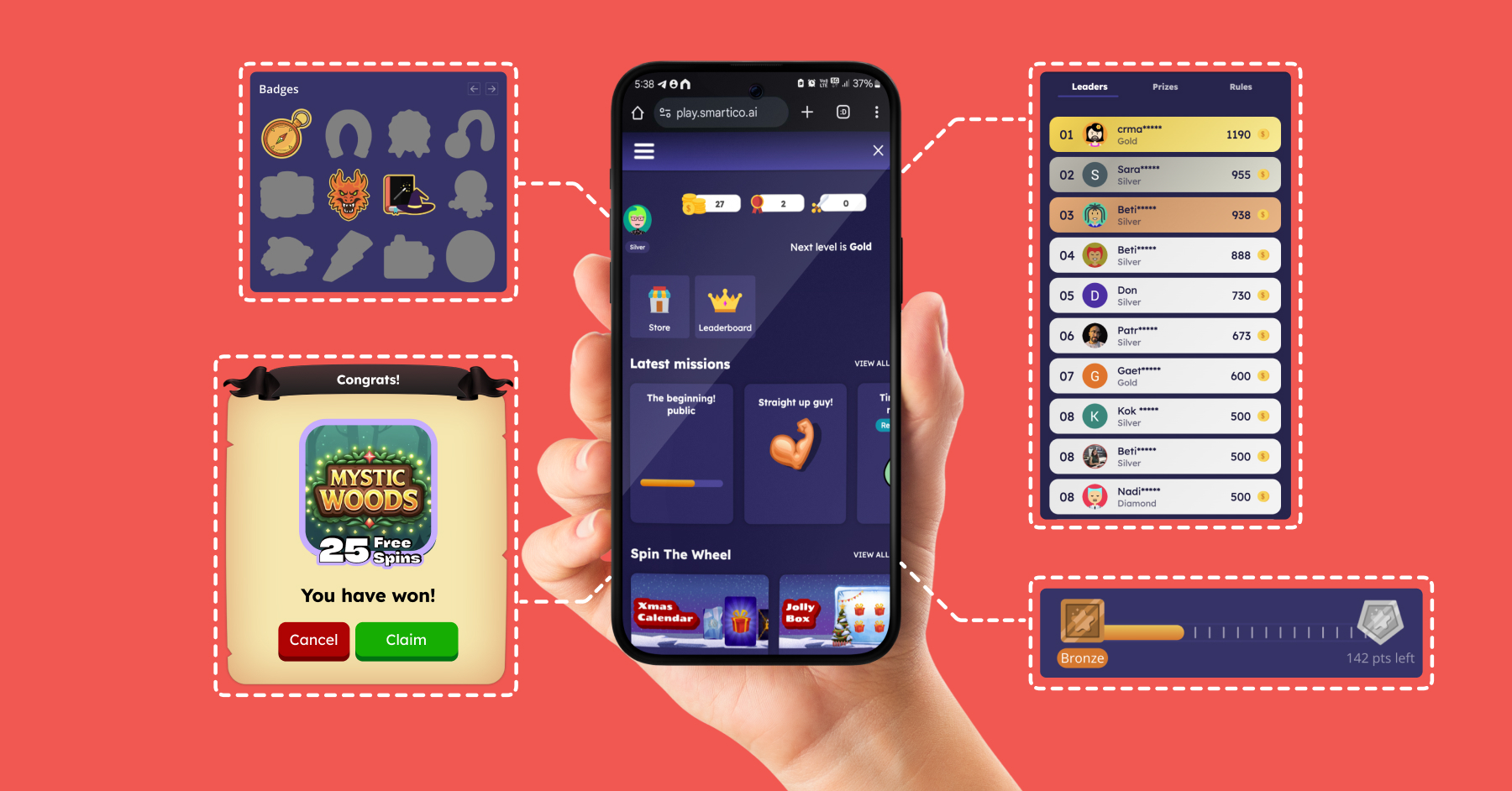
Gamification of educational content further amplifies engagement. Interactive quizzes, achievement badges, and progressive challenges make learning enjoyable while encouraging users to explore deeper levels of understanding. For instance, a user who completes a series of modules on statistical analysis might unlock advanced simulation tools or predictive insights for real-world betting scenarios. Gamified elements provide intrinsic motivation, fostering a sense of accomplishment and reinforcing the application of knowledge. When learning is entertaining and rewarded, users are more likely to engage consistently and integrate insights into their regular betting behavior.
Social dimensions can also enhance the impact of educational layers. Peer comparison tools, community challenges, and discussion forums allow users to share insights, strategies, and lessons learned. Collaborative learning environments introduce diverse perspectives, enabling users to test hypotheses, validate assumptions, and discover innovative approaches. The social reinforcement of educational content strengthens retention, as learning becomes both interactive and communal rather than solitary. Users are more likely to adopt sophisticated strategies and responsible practices when they see them validated within a community setting.
Analytics and personalization play a crucial role in optimizing educational layers. By analyzing user behavior, preferences, and performance, platforms can tailor content to individual needs. Beginners may receive more foundational explanations, while advanced users are offered deeper strategic insights. Personalized recommendations based on past interactions or common pitfalls allow the educational experience to remain relevant, adaptive, and impactful. Continuous feedback loops, supported by analytics, ensure that users progress at their own pace and engage with content that directly addresses their knowledge gaps.
Ultimately, the integration of educational layers for smarter betting reflects a paradigm shift in platform design. It moves beyond transactional interactions to cultivate a learning ecosystem where users develop both skill and judgment. This holistic approach enhances user satisfaction, reinforces trust, and promotes responsible engagement. Platforms that prioritize educational enrichment benefit from a more informed and confident user base, which in turn drives long-term loyalty and sustainable growth. By blending foundational knowledge, advanced strategy, responsible gambling practices, gamification, social interaction, and personalization, educational layers become a multifaceted tool that empowers users to make smarter decisions while enjoying a richer, more engaging betting experience.
The true strength of educational layers lies in their seamless integration. They are not intrusive overlays or separate manuals but intrinsic elements of the user journey. By embedding learning directly into gameplay, decision-making, and feedback mechanisms, platforms create an environment where knowledge and action coexist. Users are continuously informed, guided, and encouraged to reflect on their choices, fostering an ecosystem of transparency, skill-building, and engagement. In such an environment, betting becomes not just an act of chance but an opportunity for growth, understanding, and deliberate, informed participation.
This approach signals a forward-looking vision for the digital betting industry. Rather than focusing solely on short-term gains, it invests in cultivating a more educated, confident, and responsible user base. Educational layers ensure that users are equipped with the tools, insights, and frameworks necessary to navigate complex betting scenarios effectively. By doing so, platforms establish a foundation for sustainable interaction, higher satisfaction, and stronger long-term relationships. Smarter betting, enabled by thoughtful education, ultimately benefits both users and operators, creating a balanced ecosystem where engagement, responsibility, and skill development reinforce one another.






Leave a Reply