
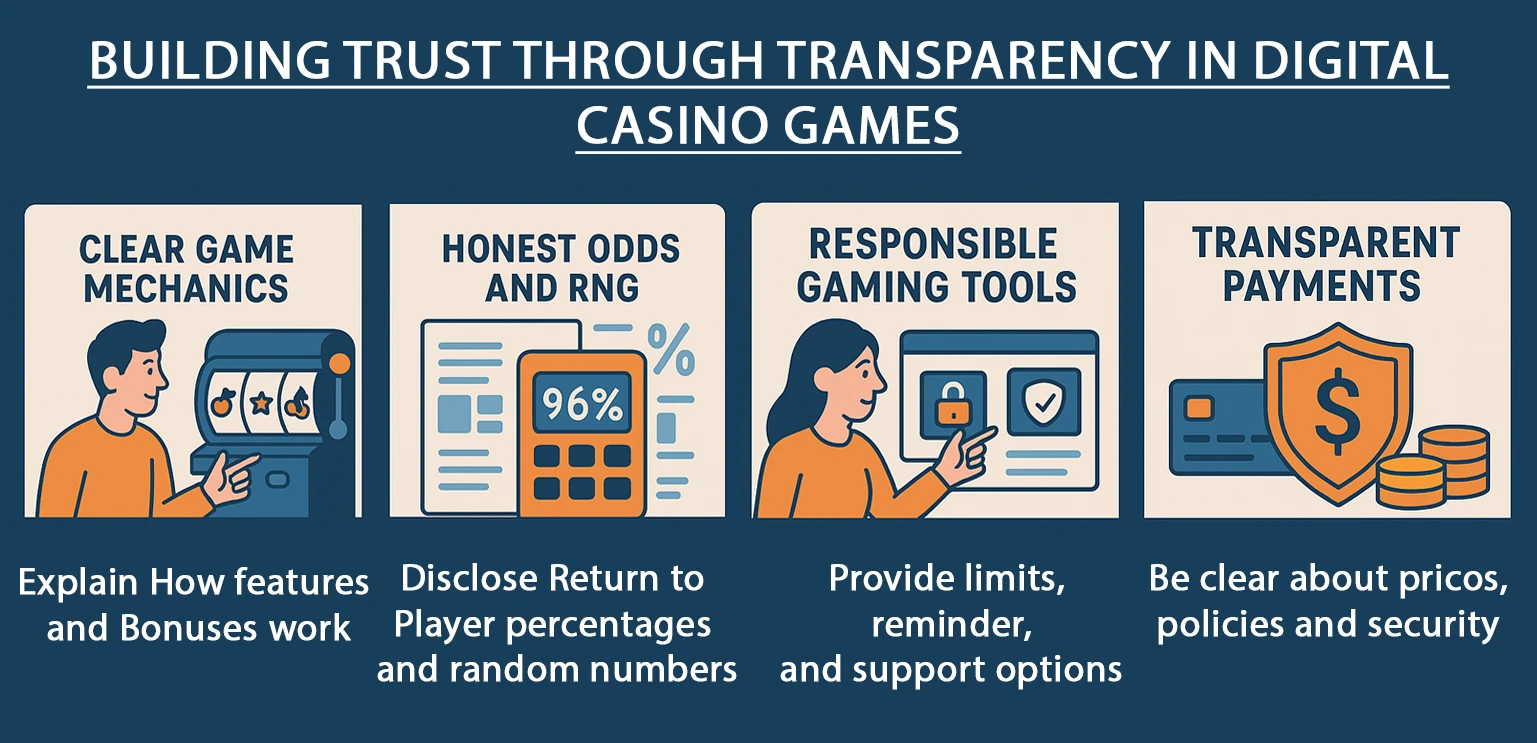
In the world of digital gambling, particularly in slot games and other online betting platforms, the value of open communication cannot be overstated. Players are drawn to platforms where they feel heard, understood, and respected, and where their interactions are met with clarity and responsiveness. Open communication establishes trust, which in turn strengthens player relationships, shaping the way users perceive and engage with the platform over time. At its core, this approach is about transparency—ensuring that players understand how games function, how their data is handled, and how support channels are accessible when needed. Transparency in communication goes beyond just clear language; it encompasses tone, timing, and consistency in the messages conveyed to players.
Player relationships flourish when platforms actively listen and respond to user feedback. Feedback loops, whether through surveys, reviews, or direct messages, allow operators to capture insights about player experiences, frustrations, and preferences. Addressing concerns promptly and visibly demonstrates a platform’s commitment to its users, fostering a sense of partnership rather than mere transactional interaction. Players who feel that their voices influence the platform are more likely to remain engaged and loyal, knowing that their experience is valued. This dynamic creates a feedback-rich environment where both parties benefit: the platform improves its offerings, while players enjoy a more tailored and satisfying experience.
The way communication is structured also affects the depth of player relationships. Multichannel support, including live chat, email, in-app messaging, and community forums, ensures that players can reach out in the manner most convenient for them. Each channel carries its own nuances; live chat offers immediacy and a sense of human interaction, whereas forums foster community dialogue and shared knowledge among players. By offering multiple avenues for engagement, platforms accommodate diverse communication preferences, enhancing accessibility and making players feel more connected. Effective communication channels are also equipped with clear escalation paths for more complex issues, ensuring that player concerns are not only heard but resolved efficiently.
Language and tone play crucial roles in how messages are perceived. Communication should be clear, concise, and approachable, avoiding unnecessary jargon that could confuse or alienate players. At the same time, the tone should convey respect, empathy, and professionalism, particularly when addressing sensitive topics such as account issues or disputes over game outcomes. When players sense that the platform communicates in a thoughtful and genuine manner, trust deepens, and relationships are strengthened. This is particularly important in high-stakes or emotionally charged contexts, where a single miscommunication could erode confidence and loyalty.
Beyond reactive communication, proactive engagement is essential for nurturing player relationships. Informing players about new features, promotions, system updates, and changes in policies demonstrates transparency and foresight. Proactive messages help manage expectations and reduce uncertainty, which is a significant contributor to player frustration. For instance, notifying users about maintenance schedules or potential delays allows them to plan their activities accordingly, reducing the likelihood of negative experiences. Proactive communication also includes educational content, such as tutorials or tips on responsible gambling, which not only improves user competence but also signals that the platform prioritizes player well-being over immediate profits.
Community-building efforts further enhance relationships by creating spaces where players can interact not just with the platform, but also with each other. Forums, leaderboards, and social media groups allow players to share strategies, celebrate wins, and discuss challenges. In these communities, communication is two-way: players exchange ideas while platform moderators guide discussions, provide clarifications, and ensure a respectful environment. Such interactions create a sense of belonging, reinforcing positive perceptions of the platform and cultivating long-term engagement. Players who feel part of a community are more likely to participate actively, contribute content, and advocate for the platform among peers, which naturally strengthens the overall ecosystem.
Transparency and honesty in communication are fundamental, especially when addressing mistakes or unexpected outcomes. Admitting errors promptly and explaining corrective measures not only mitigates frustration but also demonstrates integrity. Players tend to respond positively to platforms that acknowledge issues openly rather than conceal them, as this reinforces a culture of accountability. Regular updates, clear policies, and straightforward explanations contribute to an environment where players can trust the platform to act fairly and consistently. This trust forms the foundation of enduring player relationships, where users feel confident in the platform’s operations and long-term reliability.
Another critical aspect is personalization. Tailoring communication to reflect player preferences, behaviors, and engagement patterns enhances the sense of connection. Personalized messages, whether they are reminders, congratulatory notes, or curated recommendations, show that the platform recognizes the individual behind the account. This individualized approach strengthens emotional bonds and reinforces the perception that the platform values each player as more than just a statistic. Data-driven insights facilitate this personalization, but it must be executed responsibly, respecting privacy and avoiding intrusive or manipulative tactics.
Consistency in communication reinforces predictability and comfort. Players are more likely to trust a platform that maintains a consistent style, tone, and frequency of messaging. Sudden changes, unclear policies, or inconsistent responses can create confusion and diminish confidence. By establishing and adhering to communication standards, platforms provide a stable and reliable environment in which players can navigate with ease. This stability nurtures long-term relationships, as players know what to expect and can engage without unnecessary stress or uncertainty.
Ultimately, open communication is not a single function but a culture embedded in every facet of platform operations. It encompasses clarity, responsiveness, transparency, community engagement, accountability, personalization, and consistency. When executed effectively, it transforms transactional interactions into meaningful relationships, fostering loyalty, satisfaction, and advocacy. Players who experience open, honest, and empathetic communication are more likely to develop trust, engage deeply, and remain committed over time, making strong communication practices a cornerstone of successful digital gambling ecosystems.
This approach benefits both players and platforms, creating a mutually reinforcing cycle where trust encourages engagement, engagement produces feedback, and feedback drives continuous improvement. In an industry where competition is intense and player attention is scarce, platforms that prioritize open communication and cultivate strong player relationships are not only more resilient but also more likely to thrive in the long term.





Leave a Reply