
The experience of playing slot games is often underestimated in its complexity, yet it is meticulously designed to guide players through a structured flow that balances engagement, anticipation, and reward. Flow-oriented structures in slot gameplay are built on a careful orchestration of psychological triggers, pacing mechanisms, and feedback loops that collectively create a seamless, immersive experience. At the heart of these systems lies the principle that player attention is finite and must be nurtured, directed, and reinforced through game mechanics that encourage continued interaction while maintaining a sense of control and progression.
A fundamental aspect of flow in slot gameplay is the rhythm of reward delivery. Slots are designed to alternate between periods of tension and relief, leveraging intermittent reinforcement to sustain engagement. The timing of wins, near-misses, and bonus triggers is not arbitrary; it is carefully calibrated to optimize excitement without leading to fatigue or frustration. By structuring the intervals between rewards, game designers can create a sensation of unpredictability that keeps players emotionally invested, while ensuring that victories, whether small or large, are perceived as meaningful and reinforcing. This rhythm is further enhanced by auditory and visual cues, which provide immediate feedback and contribute to the sense of flow, subtly signaling success or progress and maintaining the player’s immersion in the experience.
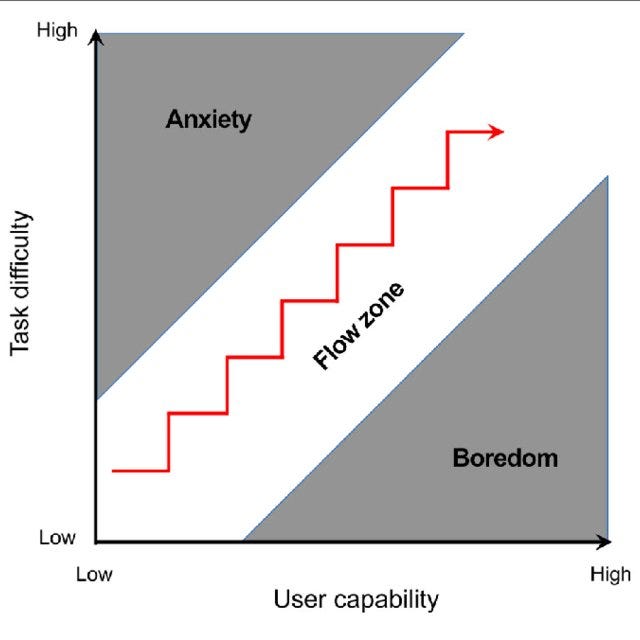
Beyond reward timing, the structuring of gameplay pathways is critical. Flow-oriented slot designs often employ tiered progression systems, where players move through escalating levels of complexity or unlock additional features as they play. This progression is carefully paced to match the player’s perceived skill and investment, providing a sense of mastery and achievement that aligns with their ongoing engagement. For instance, early stages may feature simpler paylines and frequent small wins to build confidence, while later stages introduce multipliers, cascading reels, or bonus games that increase complexity and potential rewards. This gradual elevation sustains engagement by providing variety and novelty while keeping the cognitive load manageable, preventing both boredom and overwhelm.
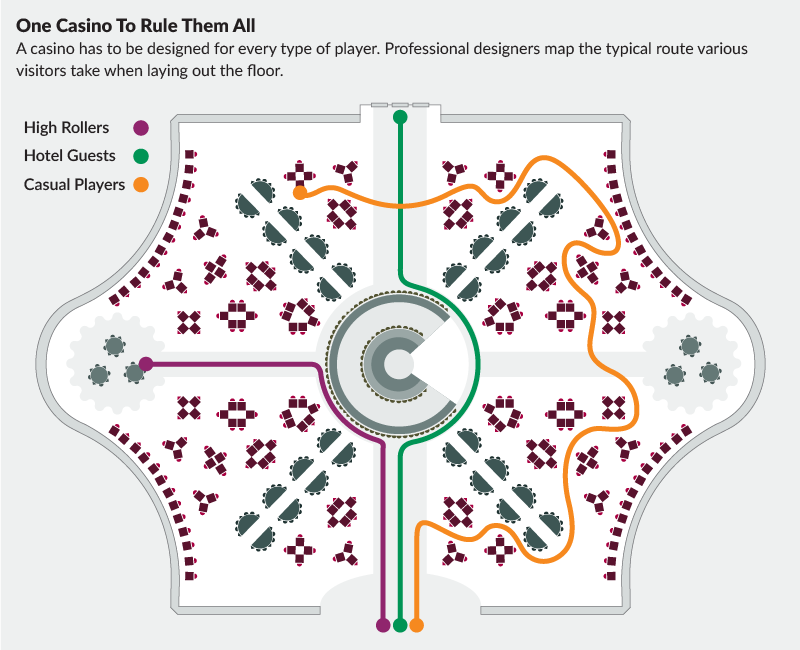
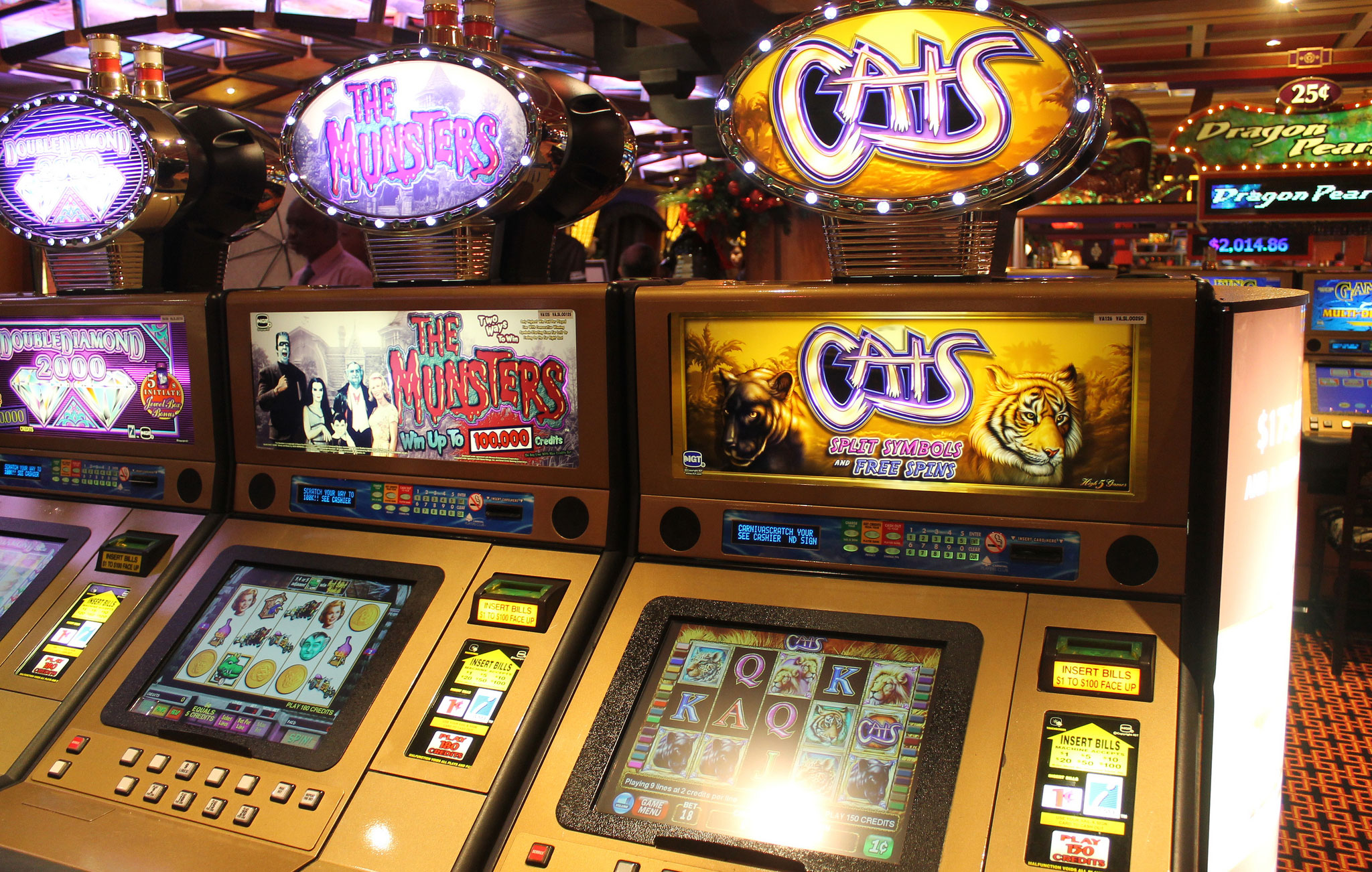
Visual hierarchy and interface layout also play a vital role in maintaining flow. Slot games are designed to guide the player’s attention across reels, symbols, and interactive elements in a manner that feels natural and intuitive. Key information, such as credit balances, bet sizes, and potential payouts, is presented prominently yet unobtrusively, allowing players to make decisions without breaking immersion. Animation sequences are timed to reinforce outcomes and maintain continuity, ensuring that the transition from one spin to the next feels smooth and uninterrupted. This seamless visual flow is crucial for sustaining engagement, as abrupt or confusing changes can disrupt concentration and reduce the perceived fluidity of gameplay.
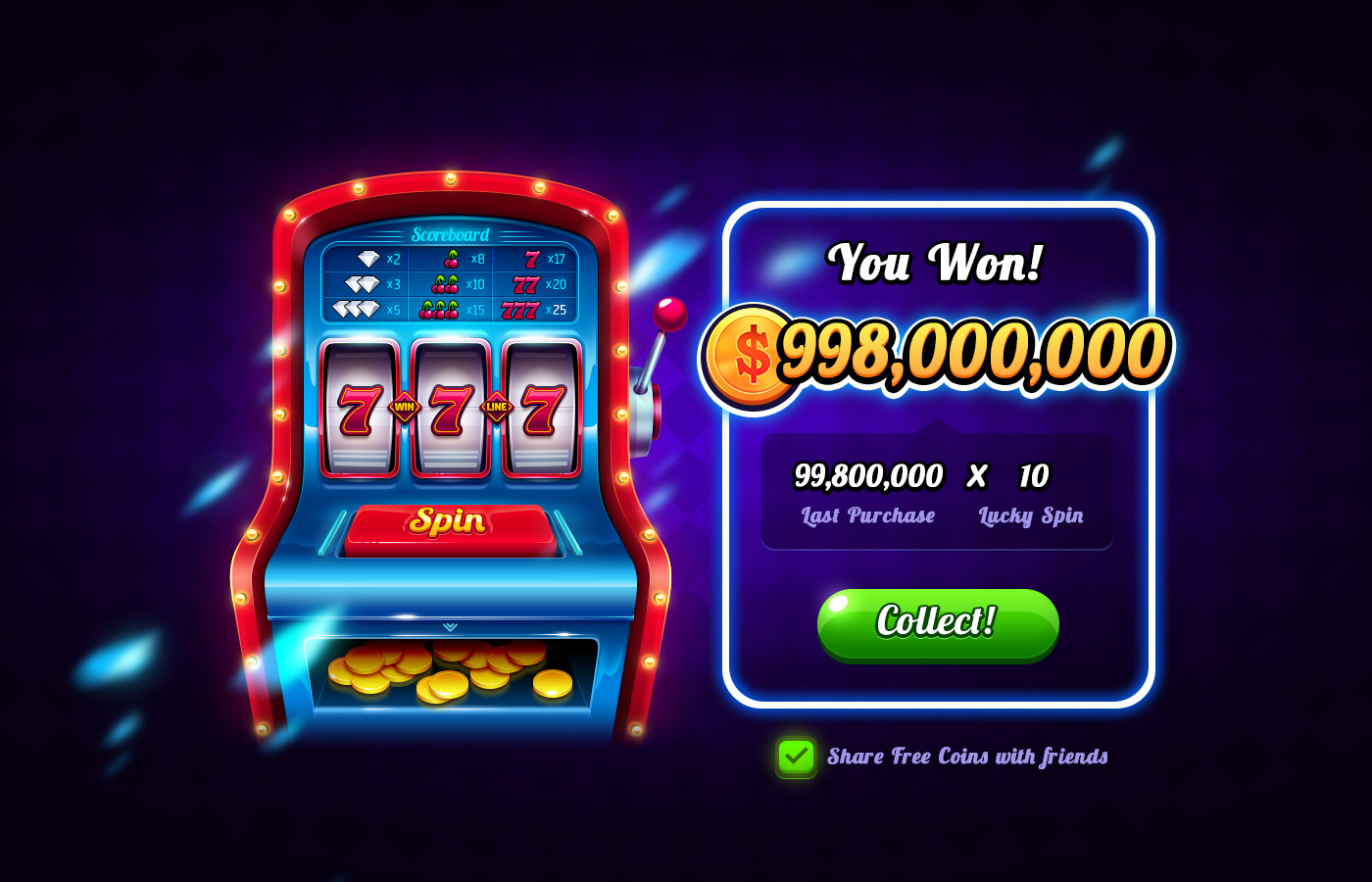
The integration of bonus features and interactive elements is another component of flow-oriented design. Features such as free spins, pick-and-click games, or progressive jackpots serve as deliberate interruptions to the baseline spinning experience, introducing moments of heightened anticipation and excitement. Their timing and frequency are carefully balanced to maximize engagement without overshadowing the core gameplay loop. By interspersing these events strategically, designers create peaks and valleys in emotional intensity, which align with the natural rhythm of human attention and reward processing. These features also provide opportunities for players to exercise decision-making, however limited, further enhancing the sense of agency and involvement.
Audio design reinforces the perception of flow, providing both subtle and explicit cues that guide player behavior. Background music, sound effects, and celebratory jingles are layered to support the pacing of spins and wins, marking transitions between gameplay states and reinforcing the emotional highs associated with successful outcomes. The synchronization of audio with visual feedback ensures that the player experiences a cohesive, multi-sensory environment that sustains focus and enhances the overall perception of flow. Even silence or restrained sound usage can be employed strategically, creating contrast that heightens the impact of key events.
In addition to these experiential elements, data-driven adjustments are increasingly employed to fine-tune flow dynamics for individual players. By analyzing patterns of interaction, session length, and responsiveness to various features, game systems can adapt the pace and structure of gameplay to maintain optimal engagement. This can include modifying the frequency of bonus triggers, adjusting win probabilities, or personalizing visual and auditory feedback. These adaptive systems ensure that each player experiences a flow state that aligns with their preferences, reinforcing retention and prolonging sessions while maintaining satisfaction and perceived fairness.
Importantly, the psychological underpinning of flow-oriented structures in slots relies on a balance between challenge and reward. While the outcome of each spin is ultimately determined by random number generation, the perception of progression, control, and accomplishment is engineered through game design. Players are motivated by the anticipation of potential wins, the visual and auditory celebration of successes, and the structured path of feature unlocks and bonus rounds. This intricate choreography of pacing, feedback, and progression fosters immersion, encouraging players to remain engaged without feeling coerced, and supporting sustainable interaction with the game over extended periods.
Ultimately, flow-oriented slot gameplay exemplifies a synthesis of behavioral insight, aesthetic design, and technological precision. Every element, from reel animation to bonus feature timing, contributes to an overarching architecture that guides players through a cohesive, engaging, and emotionally resonant experience. By prioritizing smooth transitions, carefully calibrated rewards, and clear pathways of progression, designers create an environment where players can enter a state of continuous engagement—where attention, anticipation, and satisfaction align seamlessly. This flow not only enhances the immediate entertainment value of slot games but also reinforces long-term player loyalty, demonstrating that the art of slot design extends far beyond simple spinning reels to encompass the nuanced orchestration of human perception, emotion, and behavior.
The sophistication of these flow-oriented structures underscores why slots have remained compelling across decades, appealing to both casual and experienced players. The careful balance of predictability and surprise, simplicity and complexity, tension and release, ensures that gameplay remains perpetually engaging, creating a dynamic experience that feels both effortless and rewarding. Through these mechanisms, slot games achieve an enduring capacity to captivate, offering not just chance-based entertainment, but a carefully tuned journey that resonates with the human desire for progression, mastery, and emotional stimulation.




Leave a Reply