
Designing a betting platform goes beyond functionality and aesthetics; it demands a careful integration of ethical principles into every layer of the system. Ethical foundations in platform design are crucial not only for regulatory compliance but also for cultivating user trust, long-term engagement, and social responsibility. The interplay of fairness, transparency, user protection, and responsible engagement strategies defines the ethical fabric of a platform, ensuring that users can make informed decisions while enjoying a safe and balanced experience. These foundations are not merely abstract concepts but actionable guidelines that influence feature design, interface decisions, algorithmic behavior, and operational practices.
One of the primary pillars of ethical betting platform design is transparency. Users must be able to clearly understand how the platform operates, including how odds are calculated, how bets are resolved, and how any potential biases or house edges function. Clear communication regarding payout percentages, fees, and risk factors ensures that users are not misled or left uncertain about the consequences of their actions. Transparency also extends to algorithmic fairness, where the randomness of outcomes in games or betting scenarios must be demonstrable and verifiable. Platforms that provide tools such as certified random number generators or independent audits showcase a commitment to honesty, reinforcing user confidence and mitigating potential skepticism.
Closely related to transparency is the concept of fairness. Ethical design requires that the platform treats all users equitably, providing equal opportunity and unbiased outcomes regardless of experience level, demographics, or betting history. Fairness is not only about the mechanics of the game or betting system but also about the treatment of user interactions, promotions, and rewards. Algorithms must avoid exploiting behavioral tendencies that could lead to excessive losses or compulsive betting. By embedding fairness into system logic and operational policies, platforms protect users from manipulative practices and foster an environment where enjoyment and strategic decision-making coexist.
User protection forms another critical dimension of ethical foundations. Platforms must proactively safeguard users from risks associated with gambling, including financial loss, compulsive behaviors, and exposure to harmful content. Mechanisms such as self-imposed deposit limits, cooling-off periods, and activity monitoring contribute to responsible engagement. Platforms may implement AI-driven detection systems to identify patterns indicative of problem gambling and offer timely interventions, educational content, or links to support services. Ethical design here balances business objectives with the moral imperative to prioritize user well-being, acknowledging that sustained trust and loyalty arise from a safe and respectful environment.
In addition to protection, consent and autonomy play a key role in ethical betting platform design. Users should have full control over their engagement with the platform, with informed consent guiding interactions with features, data collection, and marketing communications. Privacy policies must be clear, concise, and easily accessible, explaining what data is collected, how it is used, and what rights the user has regarding that data. Options for customizing notifications, promotional offers, and personalized recommendations allow users to maintain control over their experience, reinforcing a sense of agency and respect.
Ethical platform design also encompasses responsible marketing and communication strategies. Promotional materials, bonuses, and in-app messaging should be truthful, avoiding exaggeration or implied guarantees of success. Marketing should target appropriate audiences and be mindful of vulnerable populations. By framing offers and information in a responsible manner, platforms can minimize potential harm while sustaining interest and engagement. Ethical communication extends to social responsibility initiatives, where platforms actively promote awareness of problem gambling, collaborate with support organizations, and contribute to community education efforts.
Algorithmic accountability is another critical consideration. Betting platforms increasingly rely on AI and predictive models to personalize experiences, set dynamic odds, or recommend strategies. Ethical design mandates that these systems operate transparently, fairly, and without introducing hidden biases. Auditable processes, explainable AI, and human oversight mechanisms ensure that decisions generated by algorithms do not unfairly disadvantage certain users or exploit psychological vulnerabilities. This level of accountability not only protects users but also strengthens the platform’s credibility in an industry often scrutinized for opaque practices.
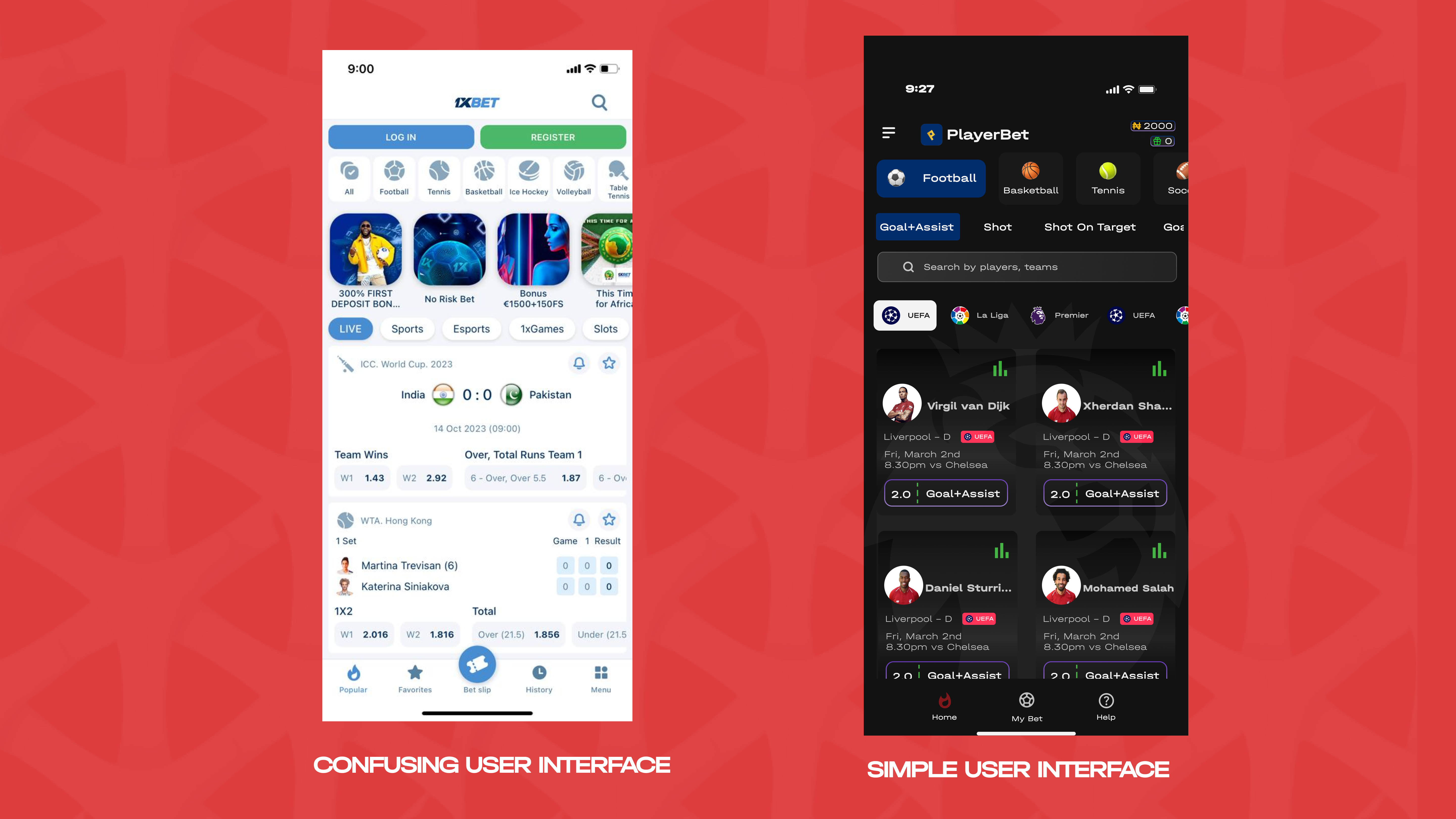
User experience (UX) and interface design further reflect ethical commitments. Clear, intuitive interfaces prevent confusion and reduce errors that could inadvertently cause financial or emotional harm. Feedback mechanisms, confirmations for critical actions, and educational prompts help users navigate the platform safely and with confidence. By prioritizing clarity, usability, and accessibility, designers reinforce ethical principles in practical, everyday interactions, making responsible engagement both easy and rewarding.
In the broader context, ethical foundations in betting platform design contribute to long-term sustainability and reputation management. Platforms that integrate ethics into their core operations often experience higher retention, stronger brand loyalty, and reduced regulatory risk. Users are more likely to remain engaged when they perceive fairness, transparency, and respect, resulting in healthier ecosystems that benefit both operators and participants. Ethical design, therefore, becomes a strategic advantage, aligning moral responsibility with business outcomes.
Ultimately, embedding ethical foundations in betting platform design is a multidimensional endeavor, integrating transparency, fairness, user protection, consent, responsible marketing, algorithmic accountability, and user-centric interface principles. It requires ongoing assessment, adaptation to emerging technologies, and responsiveness to evolving user needs. Ethical platforms acknowledge the inherent risks of gambling, embrace social responsibility, and empower users to engage in ways that are informed, safe, and enjoyable. By fostering trust, equity, and accountability, these platforms establish a model for responsible entertainment that benefits all stakeholders while upholding moral standards in a highly dynamic and regulated environment.
Ethical foundations are not a static checklist but a guiding framework that shapes decision-making, innovation, and operational practices. Platforms committed to ethics proactively monitor outcomes, solicit user feedback, and continuously refine features to prevent harm and enhance positive experiences. They recognize that user trust is earned through consistent, principled actions rather than promises, and that long-term viability hinges on balancing profitability with moral integrity. By embedding ethics into the DNA of platform design, operators not only meet regulatory expectations but also contribute to a culture of responsible gambling, where users feel secure, informed, and valued.
These principles extend beyond mere compliance, shaping the culture, governance, and identity of the platform. Ethical foundations influence strategic decisions, risk management frameworks, and even corporate social responsibility initiatives. They serve as a compass guiding the intersection of technology, human behavior, and societal impact. In doing so, ethical design transcends functional utility, positioning the platform as a trusted participant in the broader ecosystem of entertainment, finance, and social responsibility. The integration of ethics into platform design ensures that technological innovation enhances user experiences without compromising safety, fairness, or integrity, creating a sustainable model for the future of digital betting.







Leave a Reply