
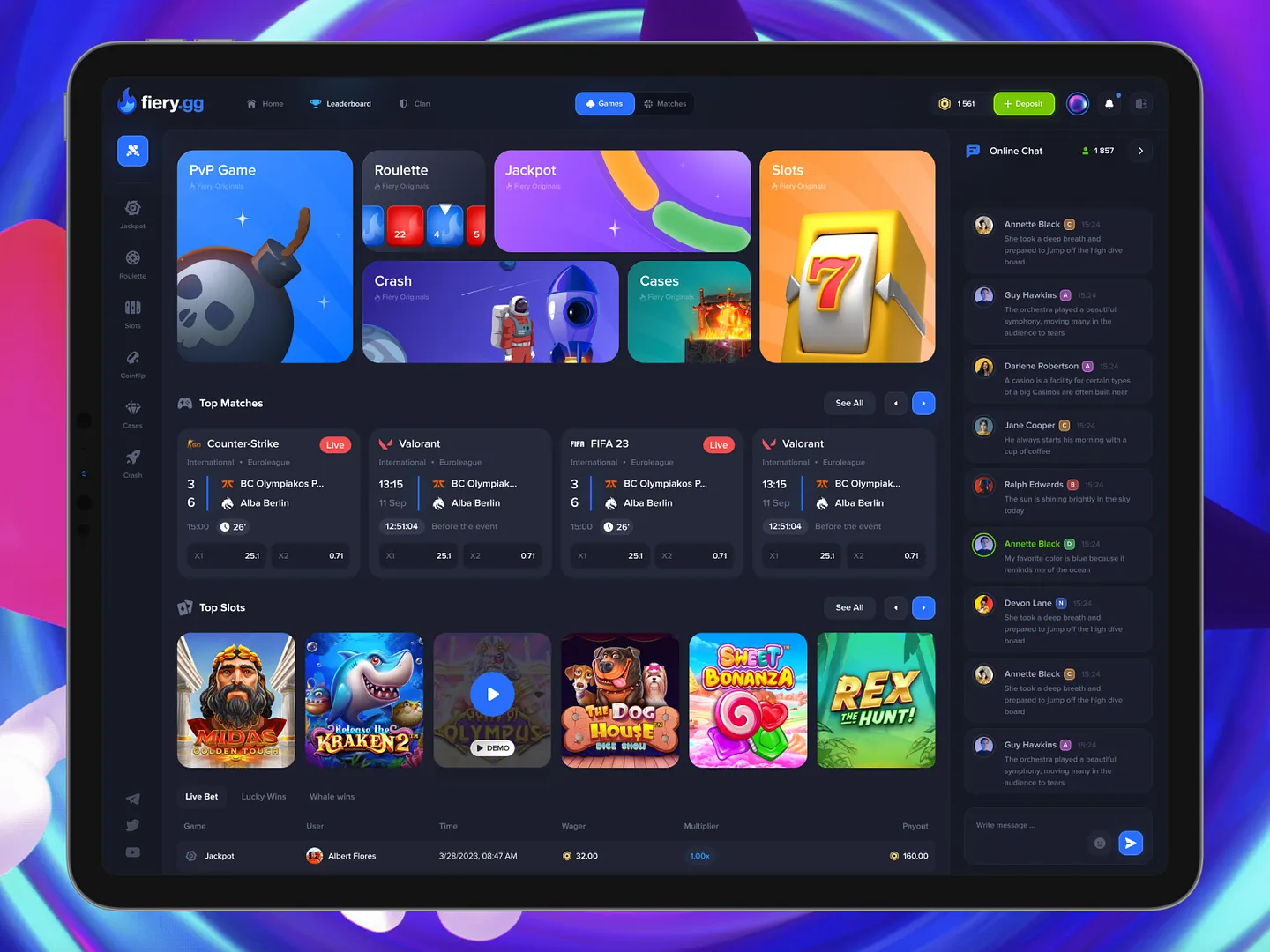
In the complex world of digital gambling, visual trust plays a pivotal role in shaping user perceptions and guiding their behavior across casino platforms. The instant a player lands on a platform, their cognitive evaluation begins—not through reading terms or analyzing odds, but through immediate visual cues that communicate credibility, reliability, and professionalism. From the color schemes employed to the arrangement of game interfaces, every visual element contributes to an overarching sense of trustworthiness that can directly impact player engagement and retention. Casino platforms must, therefore, prioritize a visual language that is coherent, intuitive, and reassuring, understanding that trust in this context is largely experiential rather than purely informational.
Consistency in design is one of the most fundamental strategies for establishing visual trust. Players are quick to detect discrepancies in interface elements, button placements, or font usage, and these small inconsistencies can subconsciously signal unreliability. By ensuring that each page, pop-up, and interactive element follows a predictable pattern, platforms create an environment where users feel secure navigating the system. This predictability reduces cognitive load, allowing players to focus on gameplay rather than questioning the platform’s legitimacy. Cohesive branding also reinforces trust: when logos, color palettes, and iconography align across every touchpoint—from registration pages to withdrawal confirmations—players perceive a unified and professional operation that signals stability.
Transparency is another cornerstone of visual trust. While regulatory disclosures and terms of service are essential, they often fail to capture immediate attention. Visual cues can bridge this gap effectively. Platforms that highlight game odds, payout percentages, and responsible gaming features through clear infographics or simple visual indicators communicate honesty and reliability without overwhelming the user with text. For example, prominently displaying certified fair play seals or regulatory badges within the interface reassures players that the platform operates under recognized standards. These visual affirmations serve a dual purpose: they educate users about system integrity while also reinforcing the platform’s credibility at a glance.
Interaction design is equally critical in sustaining visual trust. Users expect responsive interfaces where every action, from spinning a slot to initiating a withdrawal, provides immediate and understandable feedback. Animations, progress indicators, and confirmation messages must strike a delicate balance between clarity and efficiency. Slow or ambiguous responses can create frustration, inadvertently undermining trust, while overly complex visual effects can distract or confuse players. The ideal approach is subtle, informative, and consistent, reinforcing the user’s sense that the platform is competent and dependable.
The use of color and typography contributes profoundly to perceived trust. Color psychology informs much of player interaction: shades of blue and green often evoke calmness and security, while reds and yellows can trigger urgency or excitement. Casino platforms must navigate these associations carefully, ensuring that vibrant, engaging visuals do not inadvertently create anxiety or suspicion. Typography, too, affects perception; clean, legible fonts reinforce professionalism, while overly decorative or inconsistent typefaces may erode confidence. Harmonizing these elements across both desktop and mobile interfaces ensures that visual trust is preserved regardless of the device, an essential consideration in a multi-platform environment.
Imagery and iconography provide another layer of credibility. High-quality visuals, whether in promotional banners, game thumbnails, or interactive buttons, convey a level of investment and care that translates to user confidence. Players are acutely sensitive to visual noise, pixelation, or poorly designed graphics, which can signal negligence or lack of professionalism. Conversely, well-crafted images, consistent iconography, and thoughtful visual hierarchy create an impression of competence and reliability. This visual polish communicates to the player that the platform values their experience and, by extension, their trust.
Accessibility intersects with visual trust in important ways. Platforms that provide clear, easily interpretable visuals, high-contrast options, and adaptable layouts demonstrate a commitment to inclusivity and user well-being. This approach not only meets ethical and legal obligations but also reinforces a sense of respect and reliability. When players perceive that a platform accommodates diverse needs without compromising functionality or clarity, trust naturally strengthens, enhancing long-term engagement.
Micro-interactions and feedback loops within casino platforms further reinforce visual trust. Simple visual confirmations, such as highlighting selected bets, animating winnings, or indicating successful deposits, create a sense of control and transparency. These interactions reassure players that their inputs are acknowledged and that the system functions reliably. The accumulation of these small, consistent visual confirmations contributes to a broader perception of competence and integrity, cementing trust at multiple touchpoints throughout the player journey.
Moreover, the integration of social proof elements amplifies visual trust. Leaderboards, live game counts, and community-driven statistics demonstrate active participation, subtly signaling legitimacy. Players are more likely to trust a platform that visually represents a thriving user base and transparent engagement metrics, as these cues suggest operational stability and fairness. Visual trust, in this sense, extends beyond interface aesthetics to encompass the social environment the platform communicates.
In essence, casino platforms built on visual trust operate by making reliability, professionalism, and transparency immediately perceptible through design. Every color choice, layout decision, icon, and animation contributes to a larger narrative of credibility. Trust is no longer a peripheral consideration; it is embedded into the interface, guiding user behavior and fostering engagement. By prioritizing consistent design, transparent information delivery, accessible interactions, and high-quality visuals, platforms create an environment where players feel secure and confident. In a domain where perception often precedes rational evaluation, visual trust becomes not merely a feature but a foundational principle that underpins sustainable success, user retention, and long-term reputation in the competitive landscape of digital gambling.








Leave a Reply